Planning Your First Rakaposhi Expedition
A practical guide for first-time high-altitude adventurers
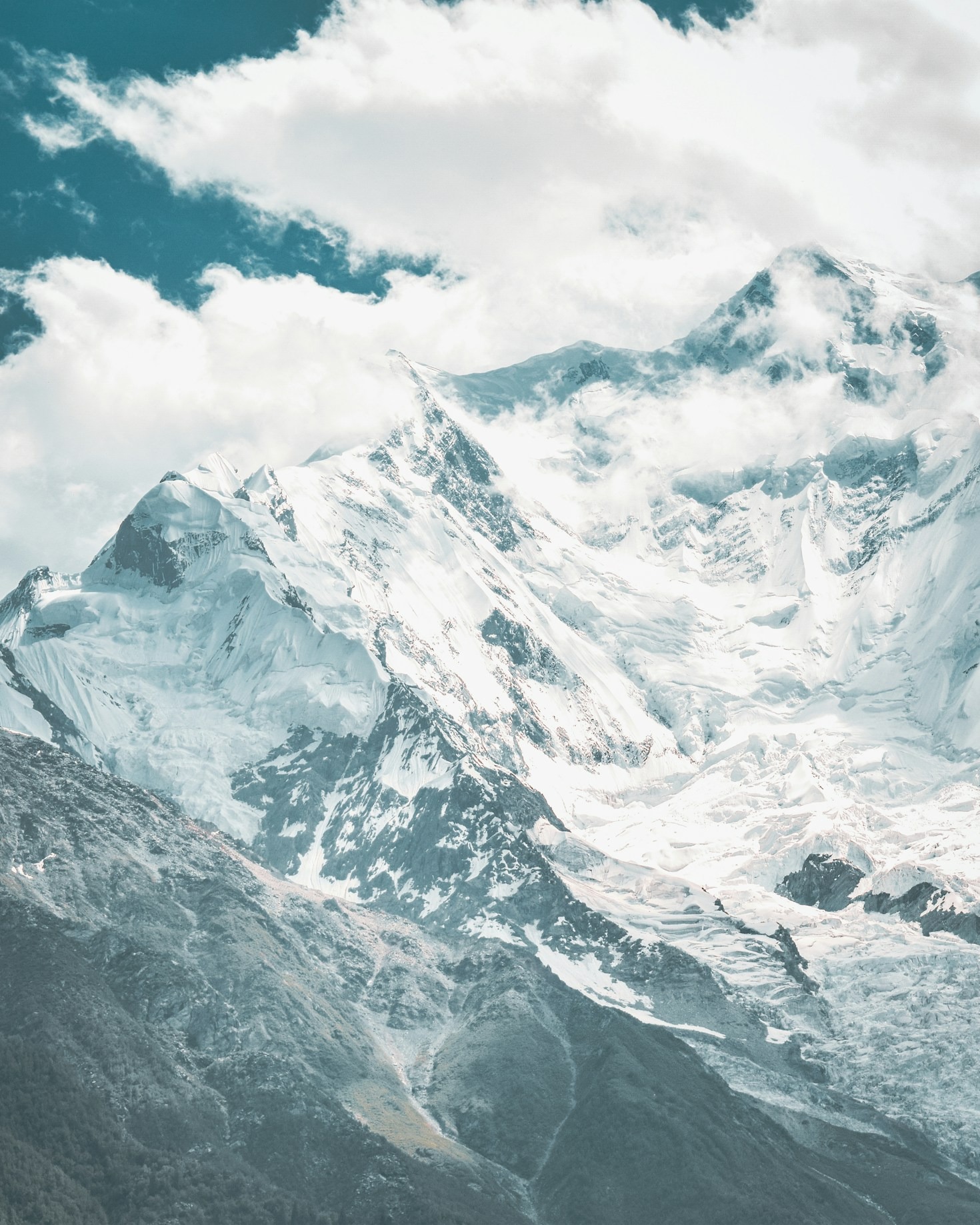
Rakaposhi—often called the “Shining Wall”—rises dramatically above the Hunza Valley in northern Pakistan. With its massive vertical relief and snow-clad faces, it’s one of the most visually striking mountains in the Karakoram. Planning your first Rakaposhi expedition is both thrilling and demanding. Whether your goal is a high camp approach, a trekking peak experience, or a full summit attempt (for experienced climbers), thoughtful preparation is essential.
Here’s a step-by-step guide to help you plan confidently and responsibly.
1. Understand Rakaposhi and Set Realistic Goals
Rakaposhi stands at approximately 7,788 meters (25,551 ft), making it a serious high-altitude objective. Unlike popular trekking peaks, Rakaposhi requires:
- Strong physical conditioning
- Prior mountaineering or glacier travel experience
- Comfort with snow, ice, and crevasse terrain
Be honest about your experience.
For first-timers to the region, many opt for:
- Rakaposhi Base Camp Trek (excellent introduction)
- Minapin Glacier exploration
- Supporting or training expeditions before a summit attempt
A full ascent is best suited for climbers with previous 6,000–7,000m experience.
2. Choose the Right Season
Timing is critical in the Karakoram.
Best climbing season:
- Late June to early September
During this window:
- Weather is relatively stable
- Snow conditions are more predictable
- Access routes are open
Even in peak season, expect sudden storms and temperature drops. Build buffer days into your itinerary for weather delays.
3. Permits, Guides, and Local Support
Permits
Rakaposhi is a controlled peak, and climbers need:
- Climbing permits from relevant authorities
- Registered expedition details
Most international climbers work through licensed local tour operators who handle permits, logistics, and liaison officers.
Guides and Porters
For a first expedition:
- Hire local high-altitude porters (HAPs)
- Consider an experienced Pakistani or international mountain guide
Local teams bring invaluable knowledge of terrain, weather patterns, and safety.
4. Physical and Technical Preparation
Fitness Training
Start training 4–6 months in advance, focusing on:
- Cardiovascular endurance (hiking, stair climbing, cycling)
- Strength training (legs, core, shoulders)
- Long hikes with weighted packs
Technical Skills
Before attempting Rakaposhi, you should be comfortable with:
- Crampon and ice-axe use
- Glacier travel and rope techniques
- Crevasse rescue basics
- High-altitude camping
Practice these skills on smaller peaks if possible.
5. Gear and Equipment Essentials
Rakaposhi demands reliable, high-quality equipment.
Key items include:
- Double or triple-layer mountaineering boots
- Down suit or high-altitude down jacket
- Crampons, ice axe, harness, helmet
- Four-season tent
- Sub-zero sleeping bag
- Glacier glasses and sunscreen (UV is intense)
Avoid overpacking, but never compromise on safety gear.
6. Acclimatization Strategy
Poor acclimatization is one of the biggest risks on Rakaposhi.
Follow the principle:
Climb high, sleep low.
- Move gradually between camps
- Schedule rest days
- Monitor for symptoms of AMS (Acute Mountain Sickness)
If symptoms worsen, descend immediately—no summit is worth your health.
7. Mental Preparation and Risk Awareness
Rakaposhi is as much a mental challenge as a physical one.
Prepare for:
- Long days of slow progress
- Isolation and limited communication
- Rapid weather changes
- Turning back if conditions demand it
A successful expedition is one where everyone returns safely, summit or not.
8. Respect Local Culture and Environment
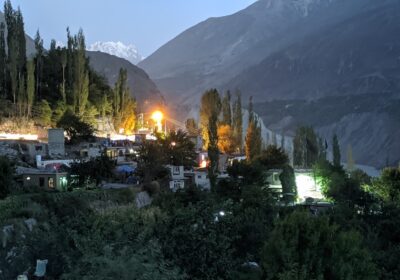
Rakaposhi lies near the village of Minapin, home to warm and welcoming communities.
- Dress modestly in villages
- Learn basic greetings
- Support local businesses and porters
Practice Leave No Trace principles:
- Pack out all waste
- Avoid damaging glaciers and campsites
Responsible travel helps preserve the region for future climbers.
9. Budget and Logistics Planning
A Rakaposhi expedition can be costly. Budget for:
- Permits and liaison fees
- Guides and porters
- Food and equipment transport
- Emergency evacuation insurance
Always have comprehensive travel and rescue insurance that covers high-altitude mountaineering.
Final Thoughts
Planning your first Rakaposhi expedition is a journey in itself—one that demands preparation, humility, and respect for the mountain. Whether you stand on the summit or turn back at base camp, the experience of moving beneath Rakaposhi’s towering face will stay with you forever.
Start small, plan carefully, trust your team, and let the mountain set the terms. In the Karakoram, patience and preparation are the true measures of success.